
So, you’ve decided you want to do a ski season and embark on an adventure of a lifetime! You’re ready to spend 6 months in the mountains, waking up to the crisp mountain air, blue skies and fresh powder. You want to spend your days skiing surrounded by the epic scenery, finally nailing that 360 in the park, drinking countless Génépi’s (Mountain Spirit) and dancing the night away on tables at après?
Wicked! This guide is going to teach you exactly how to do a ski season!
This guide will cover the following topics:
Table of Contents
Why Do a Ski Season?
You get to spend half a year with like-minded people (who will end up being your friends for life) in a place where you can ski every day, where the party never stops. It’s paradise!
The work isn’t easy but teaches you valuable life skills such as how to work effectively as a team, manage your time well, builds your confidence and most importantly, get insanely good at skiing/snowboarding just from the amount of time practising.
You’ll also meet people from all over the world which could lead to other opportunity’s (Friends in Barcelona = Hello free holiday) and the most important reason is everyone is in a ski resort to have a good time; you’re literally surrounded by happiness 24/7!
I really want to do a Ski Season, but I’m meant to be….
Starting University? Uni will still be there when the season ends. After taking some time out and getting some life experience you may decide the course you originally signed up for you have no interest in. You would have saved yourself a year of funding that can go towards what you actually want to study… like snowboard design.
Starting a Graduate Job? Right now, it’s you vs all the other new graduates. You’re all fighting to get a job/grad scheme that is going to steal most of your time for at least the next few years and you may even accept one you’re not thrilled about. Would it not be better to gain some life experience (like a ski season) which will help you to stand out in job applications? It will help you land the job you really want to take… ski gear scientist maybe?
In the middle of a Career? You’ll be able to return to the point you’re at now after the ski season. You won’t ever be this young again. The younger you are the more energy you have, the more you can bounce back up from bails while learning and less the hangovers are going to hit ya.
Do it while you’re young, you have your whole life to sit in an office.
Resorts
Which ski resort you choose to go could seriously affect you having a good season compared to a sick season. There are 5710 ski resorts worldwide, so you have a hell of a lot to choose from. You want to find one that suits you.
Basically, if you’re a beginner you don’t want to end up in a resort with extremely difficult terrain and if you’re a park rat (Someone who spends all their time in the snow park), you don’t want to end up somewhere with no snow park etc.
Due to the thousands of resorts in the world here are some of the top pick European resorts to spend your ski season and what they have to offer:
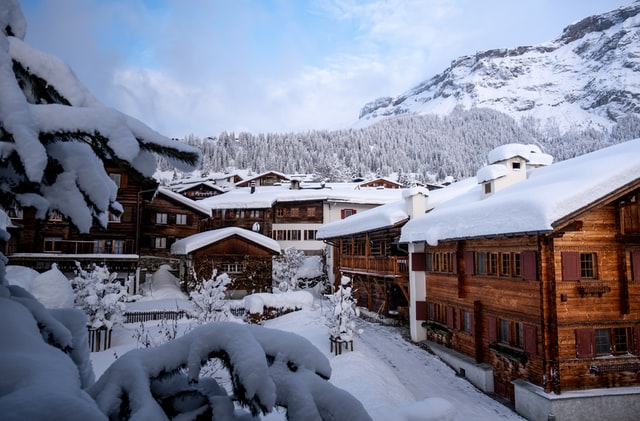
France
Chamonix
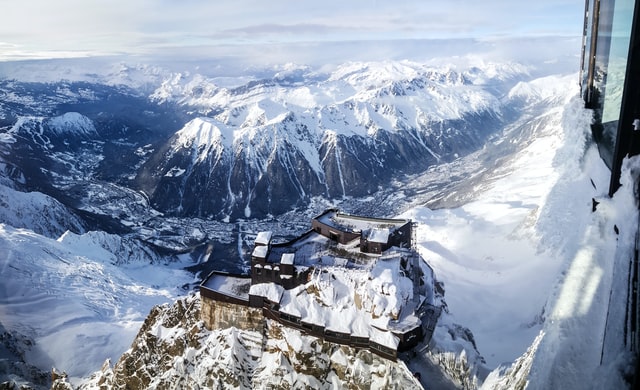
Kms of piste: 157km
No. lifts: 69
Snow Parks: 1
Run Break Down: 6 Green / 30 Blue / 13 Red / 6 Black
(This is just based on the local area; the full area of Ski Pass Mont Blanc would give you access to 952km of piste.)
The original ski resort but slightly different from most, it’s a town surrounded by 5 skiable mountains! Chamonix has been around for a while having hosted the first winter Olympics in 1924. Having evolved over the years the resort now offers something for everyone and gives you the chance to ski in France, Italy and Switzerland throughout the season if you wanted too!
If you choose to do your ski season here, you’ll never get bored with the huge number of runs ranging from beginner, intermediate, tree runs and insane backcountry (Off-Piste). The resort is catered more to intermediate riders, although, as you’re there for the season if you’re a beginner you’ll be hitting the blacks in no time. The only places it really lacks is snow parks so if you’re a freestyle fanatic it’s probably best to pick another resort.
The après scene in Chamonix is pretty sick too! La Folie Douce (France’s leading après venues) have opened a hotel here which shows it’s a bit of a party resort. It’s a bit different from most resorts as you party back in the main town, rather than on the slopes, but this means they carry on later than if they had to close when the slopes shut too.
Les 3 Vallées
Km of piste: 600km Full
No. lifts: 183 Full
Snow Parks: 5
Full Area Run Break Down: 48 Green / 135 Blue / 119 Red / 33 Black
This is the largest connected ski area in the world made of these world-famous resorts: Val Thorens, Méribel, Courchevel, Les Menuires, Saint Martin de Belleville, La Tania, Brides Les Bains and Orelle.
Val Thorens, France
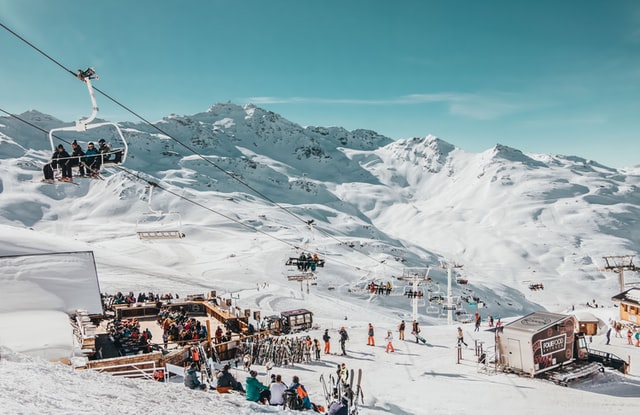
Kms of piste: 150km Local / 600km Full
No. lifts: 31 Local / 183 Full
Snow Parks: 5
Full Area Run Break Down: 48 Green / 135 Blue / 119 Red / 33 Black
At 2,300 meters Val Thorens is the highest ski resort in western Europe and part of the 3 Valleys: the largest connected ski area in the world! Val Thorens (Pronounced: tor – ren) has the longest ski season which runs from mid-November to late May with guaranteed snow.
With 600km of terrain to suit all levels, 5 snow parks and lots of good powder spots, Val Thorens is a sick place to spend your ski season. It’s very difficult to get bored here as it’s literally the largest ski area in the world. The only fault is that as the local resort is so high up, there are no tree runs which mean in bad conditions visibility can be poor. To overcome this, you can ski into one of the lower linked resorts for greenery, so it’s not much of an issue.
This resort is something special when it comes to the parties too. With the on-mountain après bars including La Folie Douce & The 360 Bar which are “alpine clubbing” venues, think open air, surrounded by views and dancing on tables. When the slopes shut these venues shut too and then you get a delightful ski down the mountain with hundreds of other drunk skiers.
Back in the town, you have loads of bars and clubs to choose from, even the highest pub in Europe: The Frog & Roast Beef. You can also get cultured with a few of them being Dutch and Swedish bars, a Rum bar with heaps of different rums if you’re feeling pirate and the big daddy, largest club in the alps: Malaysia!
Méribel
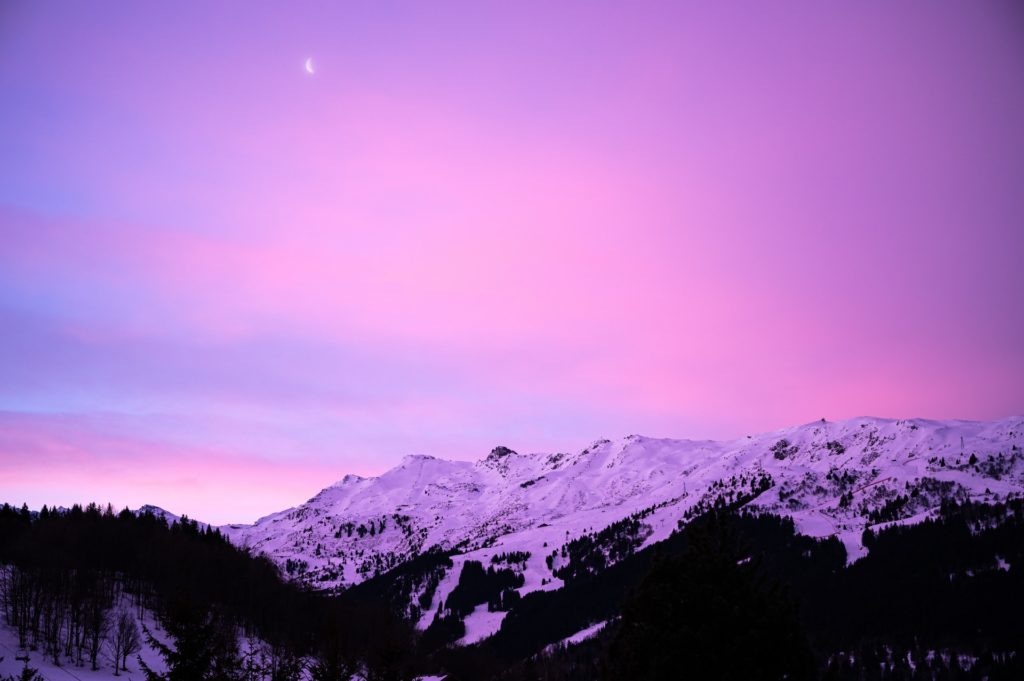
The most central resort in the 3 valleys at 1450m is the oh so classy, oh so British, Méribel! I say this as, back in the day, the resort was founded by a British Army Officer, and still has a large British Community to this day! The resort’s buildings have all been made to the original design of wood and stone making it a very pretty alpine resort. This makes it a good choice if you’re worried about the language barrier or any cultural differences but still want that traditional alpine feel.
As the resort is part of The Three Valleys, the biggest connected ski area in the world, you’re not going to get bored of the different terrain options (as mentioned above in Val Thorens). As this resort is lower down, the ski season is slightly shorter than Val Thorens and the snow isn’t guaranteed to be as good (It’s still really good!), but that’s okay, as you do have tree runs and can always ski into the higher resorts for fresher snow. Within the full area, you have 5 Snow Parks to play in with the local area being home to the legendary DC Snow Park!
The party scene here is also second to none with a vast amount of après and late-night venues. The most popular being Le Rond Pont (The Ronnie) with live music 7 nights a week starting at 4 pm & closing at 7 pm which makes for a wobblily ski back into town. You also have a Folie Douce and if you wish to party into the early hours, Sully’s (Formerly Dick’s Tea Bar) is the top pick with internationally acclaimed DJ’s playing regularly.
Espace Killy
Kms of piste: 150km Local / 300km Full
No. lifts: 90 Full
Snow Parks: 2 Full
Full Area Run Break Down: 22 Green / 61 Blue / 46 Red / 25 Black
Connecting with Tignes, Val’ d’Isere forms the Espace Killy ski area. This area covers 2400 aces, 300km of piste and it’s also famous for its off-piste meaning you have loads of different terrain to explore.
Val d’Isere
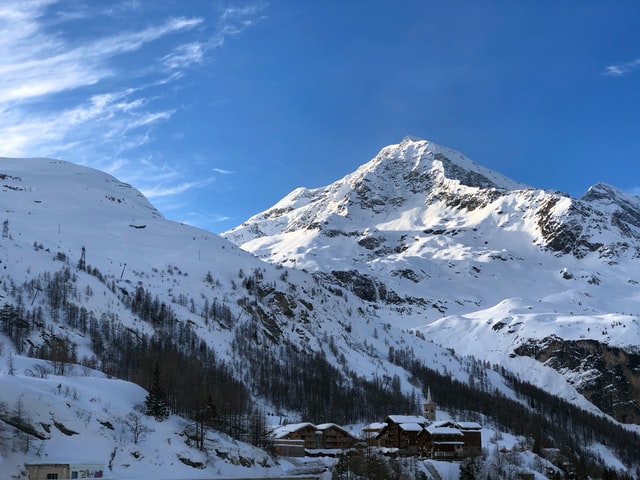
This area has also been called the most beautiful ski area in the whole of France! The town is one on the nicest I have personally seen. All the buildings are pretty with the exterior being traditional wood and brick which gives the resort a festive charm. The ski area is known as upmarket & pricey but as a Seasonaire this shouldn’t worry you as most of the bars, restaurants and shops offer seasonaire discounts (And the tips will be higher).
A good thing about the resort being upmarket is that all the pistes are kept in fantastic shape. Loads of money has been invested into maintenance and snow cannons which means the majority of runs will still be open even if it hasn’t snowed in a while. This also includes the famous Oakley Valpark, a sick park with 4 sections for all skill levels so you’ll be able to progress all ski season.
When it comes to Après and Nightlife this resort also doesn’t disappoint. Val D’Iesre is where the original Folie Douce was born. You also have Cocorico which is at the bottom of the mountain, with live bands, DJs and good vibes which go on later than when the slopes close!
The town is also crammed with fancy bars, hotels and clubs so if you’re more into luxury venues this is the resort for you.
Tignes
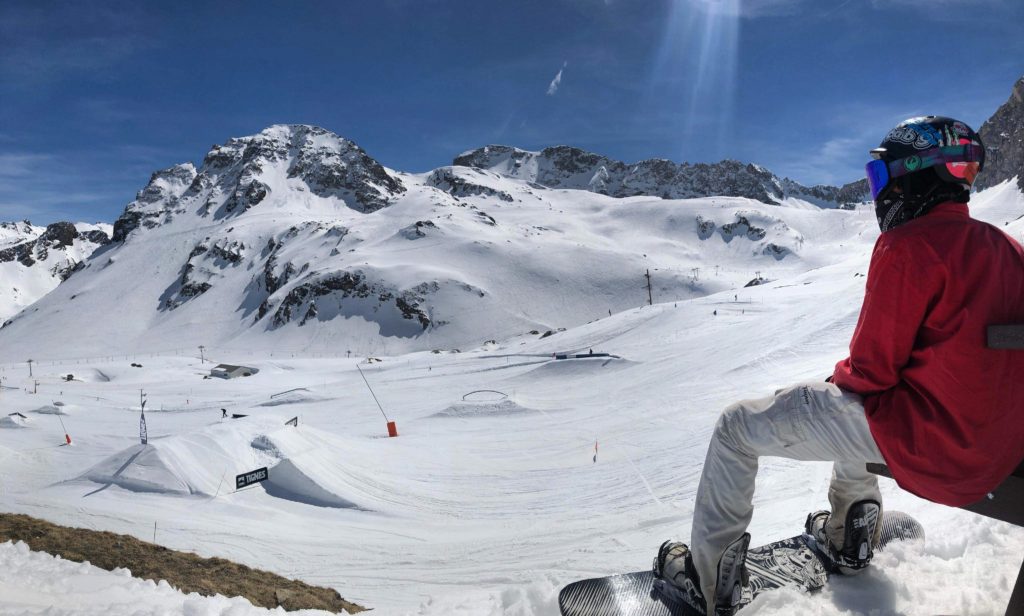
The less fancy resort in the Espace Killy ski area (Mentioned above). Tignes is equally an epic resort with arguably the better runs plus has more winter activities: such as Ice Diving in a frozen lake! The resort is also on par with Val Thorens for the longest ski season with it opening in November and closing in May!
Tignes is made up of 2 main towns, Val Claret and Le Lac. Val Claret is where the best nightlife is with loads of bars and two clubs to keep ya partying into the early hours, whereas, Le Lac is home to most of the Seasonaires, which also always has something going on. Both the towns are connected with regular shuttle buses, so it isn’t that much of an issue which one you’re placed in.
The Après scene here is based more in the resort than the slopes, although, you still get to make the most of Val D’iseres’ après scene too! if you miss the last lift there are regular shuttle buses between resorts that take 20 minutes.
Oisans Valley
A not currently connected alpine range made up of Les Deux Alpes, Alpe d’Huez, La Grave and Le Col d’Ornon. You can travel from one resort to another via a short bus journey.
Les Deux Alpes
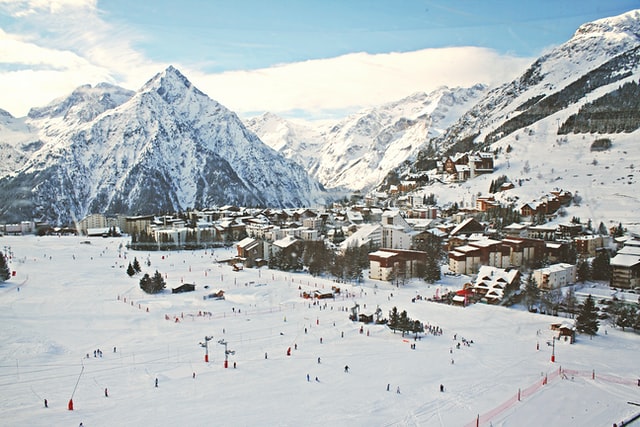
Kms of piste: 225km
No. lifts: 54
Snow Parks: 1 (But a good one)
Run Break Down: 17 Green / 45 Blue / 22 Red / 12 Black
France’s second oldest resort behind Chamonix, known for snowboard friendliness, freestyle and guaranteed snow with the largest skiable glacier in Europe at 3600m! Les 2 Alpes is open pretty much all year round, thanks to the glacier, and has one of the best summer snow parks going.
The resort has runs to suit all abilities and is sometimes known as the upside-down resort with a lot of the easier, motorway-size, runs on the top of the mountain which has always got good snow and it great for beginners. The resort has runs for all abilities and only lacks in trees… there are none. This makes it difficult to see in poor weather but makes up for with better snow due to how high up the resort is.
On your seasonaire lift pass, you also get 10 days over in Alpe d’Huez: the sister resort, which is a 40-minute shuttle bus away, equally has runs for all abilities and where the infamous Tomorrowland Winter takes place which is well worth attending. If you’re a powder hound you’ll be pleased to know La Grave, one of the world’s top backcountry spots, is also a 40-minute bus journey away. One lift and no tracked runs so be sure to get a guide and avalanche kit, the off-piste there is the rawest nature has to offer!
Les 2 Alpes is a laidback resort with a lively party scene. There are 2 main après spots, one being Pano Bar which is up the mountain with beautiful panoramic views shutting at 5 pm. The second being the firm favourite, Umbrella Bar which is at the bottom of the slope and closes at around 7 pm. Back in the town, you have loads of bars & restaurants to choose from, with the Seasonaires favourite being the Polar Bear Pub. There are also 2 late night clubs, L’Avalanche which is more upmarket which higher price tags and Bresilien which is slightly grungier but also the seasonaires favourite.
Rise Festival also takes place here at the start of the ski season and as Seasonaires you can blag your way into a lot of the events for free. Be warned though, Rise is insanely good which can make the resort feel a bit bland afterwards, once the festival goers have left.
Switzerland
Laax
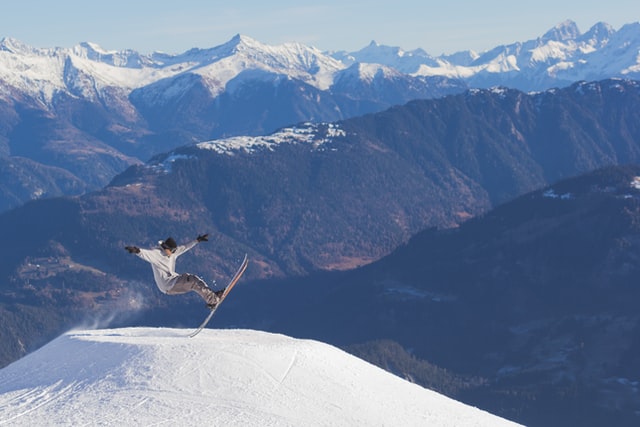
Kms of piste: 232km
No. lifts: 28
Snow Parks: 4
Run Break Down: 21 Green / 43 Blue / 19 Red / 9 Black
The European capital of freestyle. This Swiss resort is a utopia with 4 outstanding perfectly shaped snow parks for all levels (with an airbag, hello triple corks), the world’s biggest halfpipe at 200 meters long and 22 meters wide and an indoor Freestyle Academy complete with trampolines, foam pits and even a skatepark! If freestyle isn’t your thing, they also have 232km of piste with a nice mixture of runs from beginner to advanced including 43km of freeride routes, which considering Laax dumps down powder, makes for some very fun days indeed.
The lift system is super speedy too which means if your lapping the parks or pistes you’ll be getting loads of runs in. There is even a Porsche Designed lift which is solar powered & has heated seats which just goes to show Laax take their engineering seriously to keep their resort running smoothly.
Laax also has a good amount of Après venues, bars and clubs in the resort but as it’s Switzerland things are considerably pricey, although, if you’re doing a ski season here you’ll be getting a swiss wage which will cover costs nicely. There is also free WiFi on all slopes which is a nice touch especially as signal is usually terrible up the mountain.
Austria
St Anton
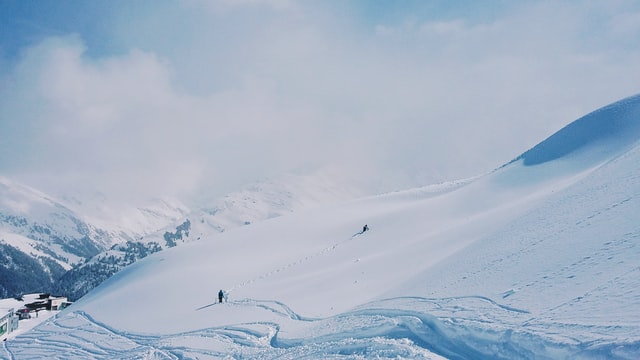
Kms of piste: 340km
No. lifts: 88
Snow Parks: 1
Run Break Down: 0 Green / 34 Blue / 70 Red / 30 Black
The biggest connected ski area in Austria! The resort has 340km of pistes catered to more advanced riders, there aren’t even any greens. Some of the runs here have also been known to be more challenging than other resorts, for example, a blue here is more like a red, and a red more like a black etc. This makes for some very rewarding riding and will always push you to improve.
If you’re a beginner it’s probably not the best resort to pick, although, if you love freeriding it definitely is, with over 200km of off-piste trails it’s a free-riders mecca and considered one of the best in the world! The snow park here is also good but nothing to boast about, although, it does seem to be getting better every year.
St Anton is also known worldwide for their parties. It is home to the Mooserwirt, an après bar with authentic Austrian vibes meaning huge amounts of beer, loud music and lots of people dancing on tables. You also have Krazy Kanguruh, another favourite, which is located up the mountain meaning a jolly ski down once the party stops.
There is also a huge number of bars, clubs and restaurants within the traditional pretty alpine town of St Anton which will keep you entertained all ski season!
Andorra
Pas de la Casa
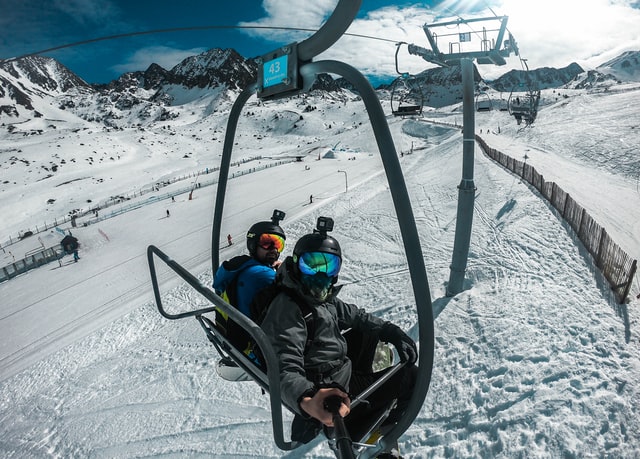
Kms of piste: 210km
No. lifts: 67
Snow Parks: 3
Run Break Down: 15 Green / 48 Blue / 38 Red / 22 Black
A tax haven with unbelievably cheap booze as well as unbelievably good slopes. Pas de la Casa town is high up at 1200m which is guaranteed to have good conditions with a mix of slopes to suit all levels as well as awesome back county. This resort attracts a young crowd and loads of Seasonaires come straight from the summer season in Ibiza. Thanks to this, it’s cheap booze and the stupid number of bars and clubs on and off-slope it has been crowned it for its parties.
The resort is a mixture of French, Spanish and English Speaking as it is located on the border of France and Spain. As it’s not in the EU you will be charged for using your UK sim here, but the resort tries to make up for it by offering free Wi-Fi on all the slopes! Also, as a Seasonaire, it’s best to get a local sim.
The 3 snow parks here are pretty sick, one of them is open at night too. Pas also have their own indoor freestyle academy with foam pits for practising inverts before taking them to the park!
Which Job
This is where you have to get picky, you should try to get a job that you think you’ll enjoy as you’ll have to do it for the whole season. Ski Season jobs can be long hours, dealing with shitty customers. This combined with all the skiing and partying means you’ll be tired all the time and if you’re anything like me, tiredness = grumpiness. This makes those early starts a real kick in the teeth if you don’t like what you’re doing.
In my opinion, there are two types of job “packages” within ski resorts, let’s call them:
Inclusive: This is when the company, usually British tour operators, sorts out everything for you. They will pay for flights, lift pass, insurance, accommodation, food, ski hire and sometimes lessons which to fair does add up. The downside to this is they will pay you peanuts, like £80 a week, but if your guests like you, you can earn a lot in tips.
This is a good option if you haven’t skied or snowboarded before, haven’t got your own gear and want all of the hassle taken care off, all you have to do is secure the job and they do the rest.
Independent: This is usually smaller or independent companies. These companies will pay you a proper wage something around £1500 if you’re being paid in pounds. The downside to this is you will have to find your own accommodation or if you’re lucky your company will offer it for a fee (No more than £400), this can be good as you can end up with a much nicer living space than what an inclusive company would give you, maybe even your own room. You will also probably have to supply your own food, flights, insurance and lift pass but this also means you get to decide what you eat and how you do these things.
This is a better option if you can already ski/snowboard and have your own gear, you also feel as if the company doesn’t own you.
Chalet Host
Role: The role of the Chalet Host is to cook, clean and host the lovely guests. You work split shifts except for Saturday which is transfer day and will involve a deep clean of your chalet.
Pros: As you’ll be working split shifts (Breakfast and Dinner), you’ll be able to ski every day if you want too! Obviously with all the skiing and partying you may not want to do this and take a nap instead. As you’re doing all the catering you will also be getting free food, free booze and become incredibly good at cooking which is a very valuable skill indeed. Tips can be very good if you get on well with your guests!
Cons: If you’re bad at your job it can take you ages to prepare the food and clean the chalet which would mean very little snow time. If you have bad guests, they can make your life living hell for a week as some people go on holiday and suddenly think they are demigods with you at their deposal. Yep, that means cleaning up puke and scrubbing chalet wine out of the sofas and that the easy part of cleaning up the bomb site they’ll leave the chalet in.
Hotel Staff
Role: Similar to a Chalet Host, this role involves keeping the hotel clean and hosting the guests. You will be working split shifts for breakfast and dinner which means you have the middle of the day to ski. Other roles such as a receptionist will not have split shits but will either work the morning or the evening, so you’ll still get time to ski. It also helps to speak the local language as most hotels cater for local guests too.
Pros: The role has less responsibility than a chalet host, as you’re not solely responsible for the guests, with just as much ski time, you’ll be getting free food and maybe even use of the hotel’s facilities.
Cons: Early starts at 6 am to set up for breakfast and late nights to make sure the hotel is clean and tidy for the morning. As you have less responsibly than chalet hosts, you’ll also receive fewer tips.
Rep
Role: The role of a rep is to ensure everyone is getting the most out of their holidays. You have regular meetings with guests to make sure everything is going well and if it’s not, you do everything in your power to change that for them. You’ll also be at the airport to greet guests on transfer days, give a welcome speech and even lead pub-crawls and other fun events throughout the week.
Pros: This job can be one of the best for ski time as if you have a good group of guests, you’ll easily be able to get out 6 days in a week if you want too. If you’re leading the night events it’s also a pretty sweet job getting paid to drink and socialise with the guests too!
Cons: If you have a bad group of guests you could be extremely busy running around for them trying to make sure they’re having a good time. They can also be incredibly rude to you if they’re having bad time. Guests have been known to blame reps for everything that’s gone wrong even if it has nothing to do with you. You do have to suck it up sometimes in this role. You have to make sure the customer feels acknowledged and valued, as you know, the customer is always right! (Smile & Wave)
Nanny
Role: If you like kids, sledging, painting and playing games this would be an ideal job for you. Your role would be to look after people’s kids while they go and ski or hit the après bars. Your shifts would usually vary as it’s up to the parents what time they want you to come but generally, the start times would be much later, around 9 am, than say a chalet host. In this role, you would usually have 1/1.5 days off a week although if you get a chilled family you may get some mornings/afternoons to ski too. As the parents are back by the evenings you have most evenings to yourself to do whatever you please.
Pros: You’re getting paid to build snowmen, play games and go on hunts for hot chocolate. If you like these things and enjoy being with kids it’s like you’re not even working. You also have a lot of freedom with what you do and as long as you do your job you’re mostly left to your own devices.
Cons: If you don’t like kids and being high energy all the time this could be the job from hell. You also don’t get nearly as much ski time as say a chalet host.
Bar Staff
Role: Pouring drinks, cleaning tables, clearing snow and chatting with guests. Having what everyone wants in resort (Alcohol) makes you kind of a resort superstar. The shifts vary on where you work but as most bars are open in the evening you usually get all morning to ski!
Pros: You get to know everyone in the resort as you’ll be serving them, you get free drinks and as a lot of places turn a blind eye to drinking on the job, you get to party every night if you want too! The shifts mean, if you’re not too hungover to get up, you’ll get loads of mountain time too!
Cons: I’m going to say the drinking on the job and partying every night is also a con as it’s easy to get persuaded into going “out out” after work and simply spending your season in a hungover mess rather than skiing! The late nights can also catch up and with all customer-facing roles, you have to stay smiling throughout. Also, cleaning the toilets on New Year’s Eve and having to clean snow from the outside areas in a sub-zero blizzard isn’t so much fun.
Plongeur (Dish Washer, Kitchen Porter)
Role: The role of the kitchen dogsbody. You’ll be washing up, cleaning up and doing all things to keep the kitchen in a tip-top shape.
Pros: You have minimal responsibility and it’s okay to be severely hungover at work, as you won’t have any face to face contact with customers. As you’ll be working only when the kitchen is open, you also get loads of time on the slopes to improve your riding. It’s a super chill, stress-free role.
Cons: As you have minimal responsibility, you’ll also have minimal pay and as you have no customer interaction you also won’t receive any tips. You’ll also get talked into doing other stuff that needs doing such as snow clearing and running around for people.
Waiter
Role: You’ll be taking customer orders and serving food. These jobs generally, but not always, require you to be able to speak the local language proficiently. Depending on where you work the shift will vary: if it’s a hotel you’ll be working split shifts so you can ski pretty much every day or if it’s a restaurant you’ll only be there when it’s open so mostly evening shifts which also means you can ski pretty much every day. The tips in this role can also be very good!
Pros: You can ski pretty much every day & you can probably blag free food every shift too! The tips can be very good depending on where you work and your level of customer service.
Cons: If you’re in a hotel and you’re doing breakfast service you’ll have very early, like 6 am early, start times. This role can also finish very late as you’ll have to clean up the restaurant once closed. You have more responsibility, therefore, have to be presentable at work and you’re also at the disposal of the manager which means whatever they say goes.
Chef
Role: You’ll be cooking all the meals for guests either in a hotel, chalet or restaurant. In this role, you also have to take care of all stock checks, health & safety and order deliveries. Previous chef experience is generally required although training will be provided.
Pros: This is one of the best paying jobs on the mountain. You also get lots of time to ski as the shifts will either be morning and/or evening depending on where you work. If you work over midday, you’ll have the morning and evening off.
Cons: With great pay comes great responsibility. Food is a big part of people’s holidays, it’s the thing they wake up to and the thing they look forward too after a hard day skiing, so it better be good! Also, if you mess up any orders or anything goes wrong in the kitchen, that’s on you, so you better be quick thinking to fix it.
Shop Assistant, Ski Tech
Role: This role involves serving customers, making sure the stock display standards are up to scratch and keeping the store clean. If you’re in a specialised role such as a ski technician you’ll be servicing skis and board, fitting boots and matching people with the right gear for their holiday. It is very helpful if you speak the local language as you’ll be serving locals too.
Pros: You get better pay, hefty discounts and free rental equipment if you’re working in a ski shop. This job can give a lot of ski time depending on where you work as some ski techs work long hours over the weekend getting all the gear ready for the week then have time off during the week to ride.
Cons: This can also be a 9-5 depending on where you work so make sure you find out the hours before applying. If you work 9-5 you won’t get much ski time as that’s when the lifts are open. It can also be extremely busy at times which could stress some people out.
Driver
Role: This role usually consists of collecting guests from airports/train stations and taking them to resort. Depending on the company you work for this could be the resort you’re based at or any other resort in where the company is based. A less common driving job is more of a shuttle in resort from hotels to the slopes and these jobs are sometimes a mixed role with being a maintenance man person.
Pros: Drivers usually get 2 full days off a week and if you have early or late transfers, you’ll also be able to get up the mountain! If you like driving this is the best job in resort. You will not always have guests with you on runs meaning you can listen to any music or audiobooks that you like. You’re a lot more independent and have minimal contact with your manager. You will get sent your rota a week before and as long as you pick up your guests on time, take their bags, are polite and have a good chat with them you won’t have any problems and you’ll probably get good tips too!
Cons: The hours can be stupidly long sometimes, as in 12 hours +, starting at 4 am. You can also go way over your expected hours in a week (Like 50+ hours), but the company will make up for it by giving you extra days off or working fewer hours the next week. Early starts are a pro and con as leaving at 5 am isn’t fun but getting back to resort for 10 am with the rest of the day off to ski is! If you’re not a confident driver, the narrow roads with a 100ft drop on one side in whiteouts and icy weather can be unnerving. Tiredness is also a factor as it’s quite scary if you feel yourself falling asleep unable to pull over with guests in the van. The best thing to combat this is to keep an energy drink/iced coffee/Pro Plus within reach at all times!
Maintenance Person
Role: This role consists of keeping the chalets//hotels in working order and is sometimes mixed with a driver role. This could be fixing pipes, fixing locks, shovelling snow etc or taking guests to the slopes. You can expect to be working 6 days a week but if everything is maintained you can ski to your heart’s content, although, you’ll still have to be on call in case something goes wrong.
This role generally requires experience within a trade such as plumbing to make sure you can actually maintain things.
Pros: You don’t have to deal with customers which can be ideal for some people. You work to your own initiative meaning you won’t be getting bossed around all the time. The work is also very varied as you’ll be doing something different everyday which can be fun.
Cons: You could have to do some less than satisfactory jobs such as unblocking toilets. When you’re on call you’ll have to be ready to drop what you’re doing at a moment’s notice.
Resort Manager
Role: You’re basically the coordinator for multiple chalets, a hotel or other ski resort companies. This involves managing people, creating rotas for everyone and ensuring everyone is working to standard. This role is hard to get for a first time Seasonnaire, although if you have experience in the UK in a management or similar role it could be worth applying.
Pros: You’re the boss. As a resort manager, you’re at the top of the resort team food chain which means you give the orders and set the standards. The pay is also much higher than most resort jobs as well as the responsibility. This is a job which can really build your experience and look great on your CV.
Cons: You get a lot less ski time than other jobs as you’ve got a much larger workload. If anything goes wrong in any of the accommodations you manage that’s on you, as well as any complaints from customers about the service standards.
Job Alternatives
Yeah, you read that right, you can do a ski season without having to get a job. Here are two alternative ways of doing a ski season.
Ski Bum
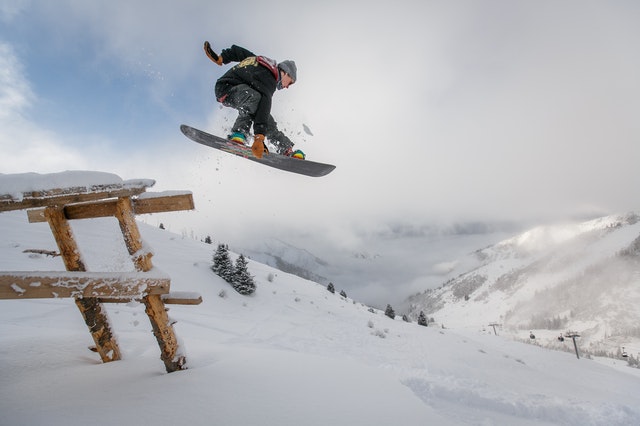
Role: The almighty ski bum, envied by many. This is when you save up a load of money, rent a place for the entire ski season, and basically, just holiday for the whole 6 months. Some ski bums convert vans into campervans which can withstand the sub-zero temperatures and camp out in them all season. It is possible to do odd jobs here and their if funds start running low.
Pros: You get the most ski time on the mountain and nothing is stopping you from being in the bars all night long. This is ultimate freedom and if you decide to go the van route, you can just drive to another resort if you get bored of one.
Cons: You need to save A LOT of money and you’ll spend A LOT of money. You have to sort and pay for everything yourself, food, accommodation, flights, insurance, ski pass. You also really have to put yourself out there to make friends when you arrive as you won’t have a ready-made social group.
Ski/Snowboard Instructor Course
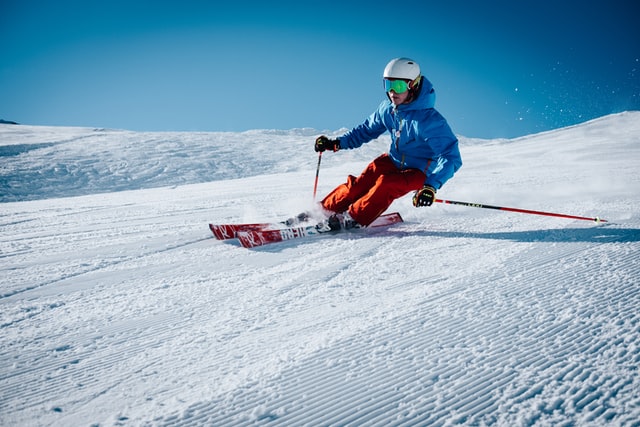
Role: What it says on the tin. You can pay to become an instructor and be able to teach all over the world. The courses are around £7000 but this covers the course, lift pass, food and accommodation so once you’re there you haven’t got to worry about anything.
Pros: On par with the Ski Bum you will also have the most time on the mountain. You’ll be out all day, every day, perfecting your skills with other hopeful instructors and drinking with them in the evenings. Once you’re certificated you can teach all over the world and get paid a decent wage for it! I
(it’s worth doing your research as qualifications vary and some allow you to teach in more places than others)
Cons: It’s expensive. You still have to get up in the morning, even with a death hangover, even in a whiteout. If you don’t plan on using your qualifications for future seasons, it’s a bit pointless to spend all that money when you could already be getting paid to be there.
How to Get a Job
When it comes to applying for ski season jobs, the time most employers start accepting applications is June/July, although, some do start in May. It’s best to get your applications in as soon as possible or as late as possible: November time.
The reason for this is if you get in early and secure a job, awesome! You’ve beaten the crowd, gone through the long interview process, completed recruitment days and secured a job. Now all you have to do is wait for the ski season to start!
If you wait till November most of the jobs will be taken but hear me out. A lot of companies will have last-minute dropouts and will become very thankful to someone who can fill their role and can start straight away. This means only a skype interview, missing out the rest of the gruelling application process and you’ll be off to the mountains within a few weeks!
Tailor your CV
Thousands of people apply for ski jobs using a generic CV. This shows the employer you can’t be bothered to put the extra effort for each application which doesn’t stand you in good stead for the effort you’ll put into your ski job.
You get out of life what you put in.
The employer will tell you exactly what they want in the job description including all the skills. All you have to do is match your experience and skills to what they want. Remember, they want you to be good! They want to find the best people to hire, so be that person!
Don’t lie and put skills/experience down if you haven’t done it, but if they ask for leadership experience, for example, and you were a team captain in school, it is okay to use that example. Just because you weren’t paid for it, doesn’t mean you haven’t done it.
Stand out
As already mentioned, their companies receive thousands of applications each year. You have to make sure you STAND OUT.
This means get creative with your CV, use bold colour schemes, make it a reflection of your personality, make a video CV, do something different to grab the employer’s attention. Just make sure the content also highlights you are what they want, with the skills and experience to prove it.
Go through the backdoor
Most people will go through the front door which is following the normal application process. Going through the back door means finding the email of a company decision-maker (Director, Hiring Manager, CEO) and sending them an email attached with your CV and cover letter.
With this approach you need to focus on how much you love their company, align with their values and how you will make their company better.
They don’t care about how great you are unless it benefits them.
You can find most of these email addresses on the company website or a simple Google search.
If they don’t reply it could mean they haven’t seen your email. My advice would be to keep emailing them until you get a reply. Even if that reply is a no you then know they have seen your application.
Where to apply
There are loads of ski companies that hire every year. The best place to start looking is google, but be warned, it can take hours and hours to find and apply to them all. Another place is seasonaires’ Facebook groups. These can be found by searching for your resort of choice followed by “ski season 2020” for example “Tignes Season 2020”. Click on groups and it should show a few seasonaire groups!
Some of the most well know companies are Crystal Ski, Neilson and Skiworld which are worth looking at as well as these sites with a range of season jobs:
If you don’t want to spend days searching the internet for ski companies click here for a PDF table that I made with over 40 different ski companies which you can apply too straight away!
Last Minute
If you’re applying last minute the best thing to do is sit on the Facebook pages and refresh it every few minutes as with last-minute applications, it’s more of a first come first serve basis.
If someone says they’re looking for someone drop them a direct message and email ASAP. Make sure your Facebook profile hasn’t got anything on it that employers may frown upon as that’s how they’ll do a quick check of you.
Equipment
There are some things you need to get for a ski season and some things that are recommended. Here you’ll find out how to get good equipment without breaking the bank.
Outerwear: Jacket, Pants, Gloves
These are what will keep you warm and dry throughout your ski season. They need to be good quality and, if you care about posting pictures of your season all over social media, look good too!
Jacket
As you’re there for such a long time it’s better to get a shell jacket, which is a thin waterproof jacket, instead of a thick jacket. This is so when it’s colder you can layer up with thermals, jumpers and hoodies and when it’s hot you can just wear the shell and still be protected by the elements. If you were to get a thick jacket it would be too hot to wear it come spring. I recommend getting a size (or few sizes) up when getting a jacket: 1. Because it won’t be so tight when laying up & 2. Cuz the baggier the garms the more steeze you have on the mountain!
Snow Pants
Snow pants are generally not too thick and have vents to open up on hot days. If it’s cold just whack some thermals on underneath and that will keep you toasty.
Both these garments will set you back at least £100+ each for good quality clothes. If you’re not super picky, you can pick them up cheaper at places like TK Maxx or second hand on eBay, Facebook marketplace or even charity shops. This is what I did with my gear and its lasted years now. Just make sure you’re getting a good, well-known, ski/snowboard brand which is easy to check with a google search.
Gloves
Gloves are a bit tricky as when it’s too hot it’s horrible and when there too cold it’s horrible. It’s worth shelling out a bit more money on these to make sure you get good quality, waterproof, Gore-Tex if possible, gloves. If you only want 1 pair go for a thick winter glove as frostbite is a lot worse than sweaty fingers. If you have the cash get 2 pairs: one for the cold days and some light park gloves for spring sheading too!
Board/Skis/Bindings
More highly expensive items with full setups costing upwards of £400. There are a few things to think about here such as do you want beginner, all-mountain, park or powder gear? Just because one is called a park board, for example, it does not mean it won’t be fine all-round the mountain. It’s just that it’s designed to excel in its area.
Again, to cut costs, look at eBay and Facebook Marketplace. It’s best to go to a snowboard/ski shop and have them size you up so that you know what size to get. If you’re not too fussy you can usually get some sick gear from a few seasons ago dirt cheap. I got my Nitro Rook 2011 board, with bindings, in mint condition off eBay a few years ago. It was only £80 and it’s still what I ride today. Just be sure to do your research and drop the seller a message to find out if there are any cracks in the side walls as if there is moisture in the core of the skis/board they will be useless.
Boots
These are the most important bit of kit you need. If these are uncomfortable or ill-fitting, they will make your time on the mountain hell! I highly recommend going to a shop where you can try them on and get experts to fit them for you. I’ve had friends who have had to stop skiing after only 30 minutes as his boots were causing him agony. Trust me, you do not want that to be you!
Helmet
Another Item you should pick up new from a shop is a helmet. This is because this bit of kit protects your most vital organ and you want it to fit properly. Do not buy second hand, helmets are designed to take one impact and be replaced after that. A lot of people don’t stick to this and use their helmet for years. It’s not worth the risk considering the amount of time you’ll be wearing it on your ski season.
Armour
Knee pads, Elbow pads, wrist guards, back protector and body armour. These aren’t essential but if you are participating in an extreme sport it highly lightly you will fall over, a lot more if you’re into freestyle. Armour gives you a much better chance of bouncing back up when this happens and protects you if an out of control skier crashes into you.
Think about it, you’re trying your first hard metal rail, you hit it wrong and smash your back into the corner of said hard, metal, unforgiving rail. The rail is completely fine, you, however, now need to be stretchered down the mountain due to a back injury which is not only painful but is also extremely expensive.
If you were wearing a back protector, you would have bounced off and nailed that rail the 2nd time round.
Again, eBay & FB Marketplace are good for finding these second hand for cheap.
Action Cam
Also, not essential, but as you’re there for the whole ski season you probably want to capture some of your riding on camera! An action cam is the best thing for this such as a Go-Pro. Go Pros are quite expensive, but they are guaranteed to be good.
If you look at Amazon there are loads of different brands of brand-new action cams for a quarter of the price of a Go Pro, just make sure you check reviews to see if they’re worth getting.
Travel
If you’re lucky enough to have travel included in your package then lucky you, you won’t need to read this, for the rest read on.
Fly
The easiest and quickest way is to fly! This will cost around £100 with extra bags. The cheapest flights are not always the cheapest as they’ll charge loads for extra bags. Some airlines, such as British Airways, let you use a snowboard bag as your main bag and allow for a mini suitcase or duffle bag as part of your hand luggage. This could save you loads compared to other airlines so it’s worth doing your research and looking around.
Bus
The cheapest way would be to get a bus. You can get a London to Lyon bus for £22 which would take 16+ hours. The good thing about this is no luggage restrictions which means you can take as much stuff as you want.
Transfers
With both these routes, you will still need to sort transfers from the airport or wherever you get dropped off. The cheapest transfer company is Bens Bus which is around €50 for a return.
Drive
Another option would be to drive if you have a car. This would be expensive on ferries and fuel, but you would have a car in resort which means a lot more freedom. If you wanted to get out of the mountains for a day or check out another resort it would be much easier with a car.
If you decide to drive, make sure you check out your car is road legal in the county you’re going to and it’s kitted out with snow tyres/chains to avoid being fined or skidding of the side of a mountain.
Insurance
If this isn’t included with your package it’s another must! Say you were to injure yourself on the mountain and had to get helicoptered down plus medical costs this could end up costing you €2000+. If you have insurance, it would cover this for you if something like this was to occur. Doing a quick google search you can find a range of policies and comparison websites.
You want to make sure your insurance covers; medial cover, off-piste skiing, freestyle skiing, mountain rescue, equipment and possibly other winter sports if you fancy snowmobiling or ice skating. Even if you don’t plan on doing these things, if you injure yourself in the park or off-piste, while just skiing though, your insurance company may try to not pay out, so it’s worth being covered just in case.
You want to make sure the helpline is open 24/7, the excess isn’t ridiculous, and you can cover it.
If you’re a European Citizen (FU Brexit) you can get an EHIC card which coves you for health care in European countries. This means you’re treated like a local and you would only pay what they would pay: either free or subsidised.
If you’re in Europe and just want insurance on the slopes you can get Carré Neige.
This covers any medical costs, hospitalisation and rescue while you’re out on the slopes. This is an add on to your ski pass and can be bought at the same time.
Lessons
If you haven’t skied before it’s a good idea to think about getting some lessons before setting off for your ski season. Now this isn’t essential and many seasonaires have never even touched snow before their first season, but, if you have already got the basics down by the time you arrive and you’re able to get down a slope, no matter how slowly, you’ll find progressing much easier.
Lessons on a dry slope or indoor ski centre are a bit cheaper than in resort. If you choose to go down this route, you’ll realise that skiing on real snow, on a mountain, is soo much nicer than artificial and it will make you appreciate it a whole lot more.
If you don’t want to get lessons before that’s totally fine too. You can usually get discounted, or even free, beginner lessons for Seasonaires. Lots of people will be in the same boat and it’s also a good way to make new friends at the start of the season.
What to bring with you?
You’ve got your job and you’re off for the best 6 months of your life! Now, here’s a little checklist on what to bring with you with some things you may not have thought about bringing. If you can’t fit all your clothes in, the best thing to do is an army roll, you’ll be shocked about how much extra space this creates!
Speaker
Preferably a shock & waterproof one. Ideal for turning your tiny accommodation into a nightclub or the slopes into a beach club.
Extension
There are never enough plugs in season accommodation and having an extension turns 1 plug into 4, maybe more.
Pants & Socks
These are the only items of clothing you’ll be changing every day and you’ll get through them super quick. Living in a ski resort, your feet are bound to get wet so bring a lot more than you need and you’ll be golden.
Hoodie/s
You will basically always have a hoodie or jumper on as it’s super cold outside and you don’t want to pay for the clock room. Make sure you bring ones you like as this will be your main outfit.
Thermals
These are essential, there super comfy to chill in, don’t take up a lot of space and will keep you toasty on the mountain too!
Hats
You’re living on a mountain, it’s super cold, you’ll also be wearing a hat most of the time and are bound to lose a few. Bring spares and make sure you like them as they’ll also be part of your key outfit.
Gloves
Ski Gloves tend to be bulky, so you’ll want to get some going out gloves too. You haven’t got to spend a lot, there just to keep the cold off while walking in between bars or at après.
Jeans
Jeans are the Seasonaires go-to trouser. You’ll be wearing these pretty much every day.
Coat
As well as your ski coat you want a warm coat you don’t mind getting ruined. This is to wear on nights out and yes, you will get drinks spilt all over it and maybe a cigarette burn or 2. Check out vintage shops to keep it steezy!
Boots
Boots or high-top trainers make great shoes for the sub-zero conditions of the mountains. Make sure they are waterproof if possible or cover them with a waterproof spray.
Ski Gear
Board, Bindings, Skis, Boots, Goggles, Gloves, Hats, Face Covering, Snow Pants, Jacket, Helmet, Armour, Socks etc. Best to get before as they’re hella expensive in resort. Scroll up to equipment to find out how to save £££ on these items!!!
Towel
Bring a travel towel to save space.
Fairy Lights
If you manage to get the bottom bunk you can make it a bit more homely, also good as a reading light if your roommate is asleep.
Local Data Sim
This is essential in my option. At the moment if you’re from the UK you are capped at 20gb data abroad which is fine if you have Wi-Fi too. If your accommodation doesn’t have wifi, mine didn’t, you’ll get through this super-fast. Look for local monthly contract sim cards with a good data plan, I got one online from Lebara while I was in France. It gave me 30gb of data for €20 for 30 days, cancel anytime.
Pro Plus (Caffeine Pills)
As mentioned previously, you will be tired all the time on season. Pro Plus is cheaper than coffee, but you can’t find it in France, so bring some with you.
Multi-Vitamins
Your diet is probably not going to be as good as it is at home. These will help you get all your vitamins, make hangovers better and hopefully keep you healthier/stop you getting sick too.
Condoms
The only people you want to be making on season are snow people: out of snow. Prevention is better than cure, especially when cure isn’t free like it is in the UK.
Hip Flask
Yeah, you get seasonaire discount in the bars, it’s still expensive! A hip flask will help you get your money’s worth and keep you warm on the mountain.
Backpack
To carry all of your beers (and other equipment) on the slopes durr.
Avalanche Kit
If you want to go off-piste, you need this to be covered by your insurance… oh, and to hopefully save your life if you get caught in an avalanche.
Painkillers
Drinking > Hangover > Headache, need I say more?
Lemsip
You’re bound to get a bit of a cold during your ski season. This magical powder (Or pills) fights off cold symptoms and allows you to get through the day. (Also works on man flu)
Chargers
Can you imagine living without your phone? Better bring chargers then. These can be hard to get in resort so best to bring a few as things do break.
Plug Adapters
Different county, different plugs. Don’t be that guy who has to steal your flatmates.
Electronics
Laptop, Tablet, Kindle, Blender or anything else you can’t live without.
Action Cam
You’ll want to keep your ski season memory’s forever and the best way to do that is with an action cam.
Headphones x 2
These I never ride without and can also be useful for blocking out, umm interesting, sounds from your flatmates. Bring 2 as they can be hard/expensive to get in resort if one breaks.
Duct Tape
The best way to fix pretty much anything.
Sewing Kit
Ya garms will probably get holes in. This is a quick fix to keep you looking fresh on the mountain.
String (Washing Line)
Sting is wonderful and makes a wonderful washing line. Can also be used as a belt or to tie up an annoying flatmate… the possibilities are endless.
Super Glue
Another quick fix for broken items.
Penknife/Multitool
Very handy to have when your halfway down a mountain and your binding decides to come off.
Torch
Ski resorts are surprisingly dark at nighttime. Also, great if the lights go out.
Ear Plugs
Great for sleeping with noisy roommates.
Mini First Aid Kit
It’s always good to have a few plasters handy in case you slice your finger open while waxing your skis or any other accidents.
Insurance
It’s already been mentioned why this is important. So seriously, get it!
EHIC Card
Valid for Brits until the 1st January 2021 (FU Brexit again). It’s still unclear what will happen after this point.
ID
For bars, clubs and in case you get so drunk you forget your own name.
Travel Documents
Passport, Flight details etc. Bring photocopies too!
Travel Money Card
If you’re working for a British company, you’ll probably get paid in pounds. These cards work the same as a debit card. You have an app on your phone which allows you to top up and change currency. They give you the best exchange rates going. The top picks are Revolut & Monzo.
Sunglasses
Even though you’re on a mountain it’s crazy sunny most of the time and with the glare off the snow, you’ll want some good, preferably polarised, sunglasses to protect you from the rays.
Toiletries
Toothbrush, toothpaste, nail clippers, shaver, razor etc.
Swimmers
Most resorts have a pool you can use for free with your lift pass. You may, if you’re lucky, even get invited to a hot tub party during your ski season!
Final Thoughts
So, there we have it. Your complete guide on how to do a Ski Season. As there are so many different articles on the internet, I hope this post has cleared everything up for you and saved you time in the process.
If you’re still on the fence about doing a ski season the only thing I want to say is do it. Trust me, it really will be the best time of your life!
If you’re still a bit unsure of where to apply and don’t want to spend days searching for companies, I made a table with over 40 ski companies which you can get here.
Happy shredding!
Piste and love,
Kats Me if You Can
I’ve been browsing online greater than three hours as of late, but I never discovered any fascinating article like yours.
It is beautiful worth enough for me. In my opinion, if all website owners and bloggers
made just right content as you probably did, the web can be
a lot more useful than ever before.
my web site :: Buy CBD
Hello, I’m interested for position as chalet Hostess.I have yachts expirience and European passport.Currently location it’s Spain. Thank you.
Touche. Solid arguments. Keep up the good effort.